A County of Contrasts
A County of Contrasts
Friends Review Lincolnshire tour Oct 2026
A County of Contrasts
A County of Contrasts
Friends Review Lincolnshire tour Oct 2026
A County of Contrasts by Helen Fowell 11/11/2026
Lincolnshire is not the most obvious place for a cultural tour, but there is much to see in this underrated county. A rich agricultural area, it owed its early prosperity to the medieval wool trade, evidenced by the many magnificent churches in the area, and the treasures in Lincoln Guildhall.
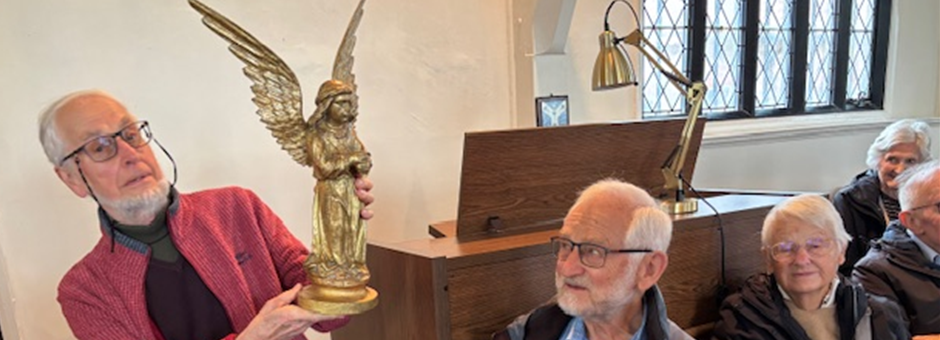
We visited many places of interest including Tattershall Castle, a brick built Tudor tower with extraordinary carved fireplaces. We called into a tiny, timber framed Ninian Comper church famed for its carved angels recently restored by “The Repair Shop”. Woolsthorpe manor, the home of Isaac Newton gave an insight into the life of this remarkable scientist. Renishaw Hall was the home of the talented Sitwell family and the collection of art they acquired from their circle of avant garde artist friends. The Newark Air museum had an extensive collection of wartime aviation memorabilia.
The highlight of the trip was of course Lincoln Cathedral. This fine example of Gothic architecture, sited on the highest hill of the city was once the highest manmade structure on earth. The stonework inside and out is breathtaking, conservation and repairs being an ongoing process. It was a special treat to attend an evening choral service in such an inspiring place.
Many thanks to Joan Gem, for her planning and enthusiasm, our guide Jane Brand for her hard work, preparation and flexibility to accommodate our extra requests, and our excellent driver, Karl.
Footnote: Thanks Helen, for writing this review of our FOW tour of Lincolnshire. My personal highlight was to be found in an obscure and unexpected corner of the Cathedral, the St Blaise Chapel (also known as The Russell Chantry).
In 1952 a Memorial Fund invited proposals for murals to be created for important religious buildings. One of these notices happened to end up in the hands of painter Duncan Grant a member of the famous Bloomsbury Group. Grant was chosen to create a mural for Lincoln Cathedral based around St Blaise, the patron saint of the wool industry. However, the murals caused quite a stir when they were originally revealed. And shortly after the unveiling in 1959, the chapel was closed and the murals kept hidden from the public. There were concerns over the near nudity of the dock workers on the Brayford Pool, as well as the depiction of a younger, beardless Christ and it became known, that his model for the portrayal of the Good Shepherd, was his close friend Paul Roche. The Cathedral would eventually see sense and reopen the Russell Chantry to the public in 1990. Too late for the artist who died in 1978 and never got to see his work open to the public.
I love a coincidence and this week I have discovered a new exhibition - ‘Vanessa Bell & Duncan Grant: Inside Bloomsbury’ at Tate Britain from 12 Dec to 11 April and also an article in the Saturday Guardian Magazine by Cordelia Roche - ‘Immortal beloved; as the work of Bloomsbury group artist Duncan Grant features in a new exhibition, Cordelia reflects on her father’s lifelong bond with the painter – as friend, muse, but not lover’.
I’m a Bloomsbury fan – Joan Gem 12/11/2026
AUTHOR
TAGS
RELATED ARTICLES
Christmas gifts in aid of FoW
Entangled and Woven Look Club
Behind the Scenes of the Conservation Studio
SHARE THIS
TweetPHOTO GALLERY
CLICK TO ENLARGE
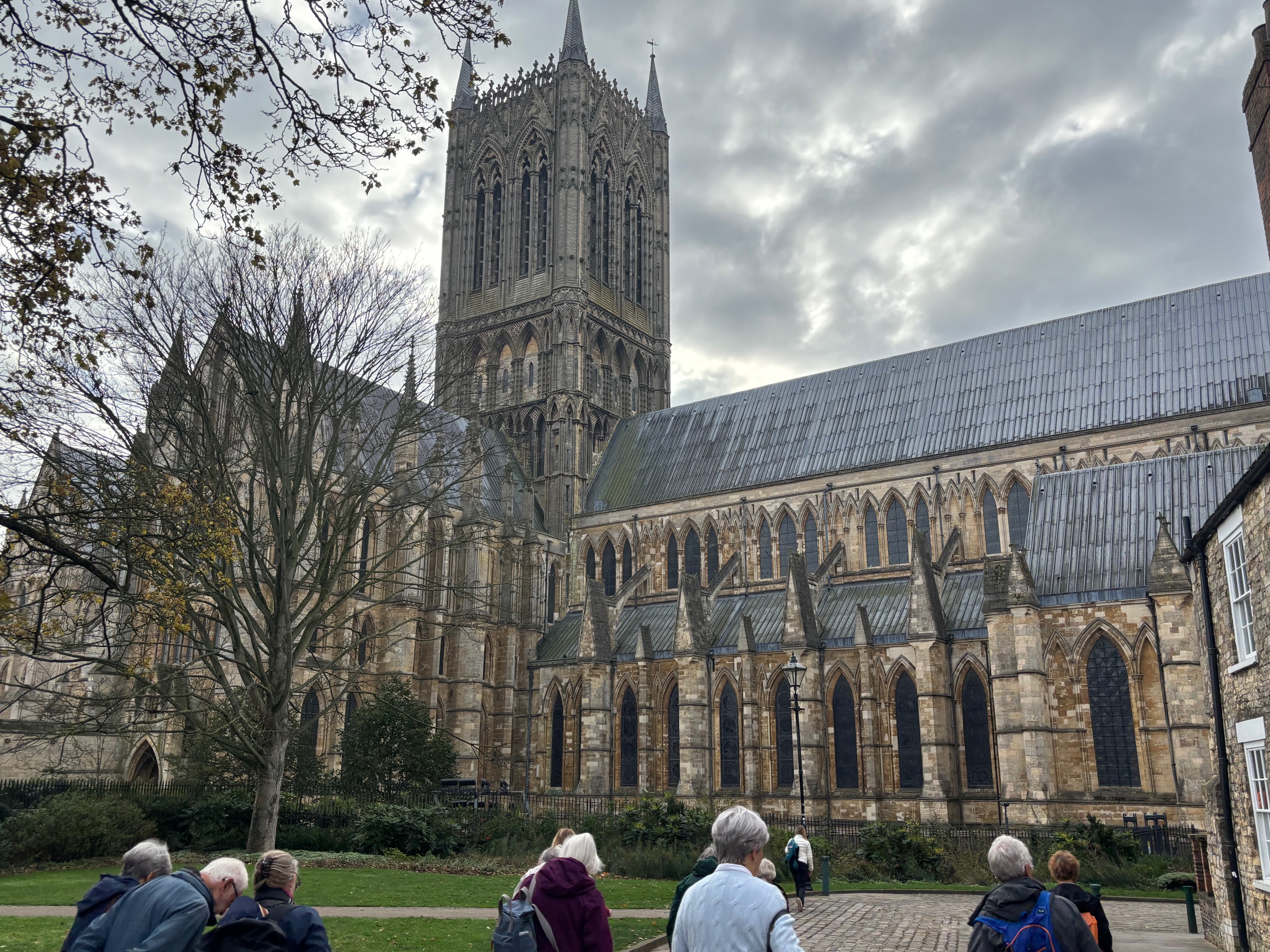
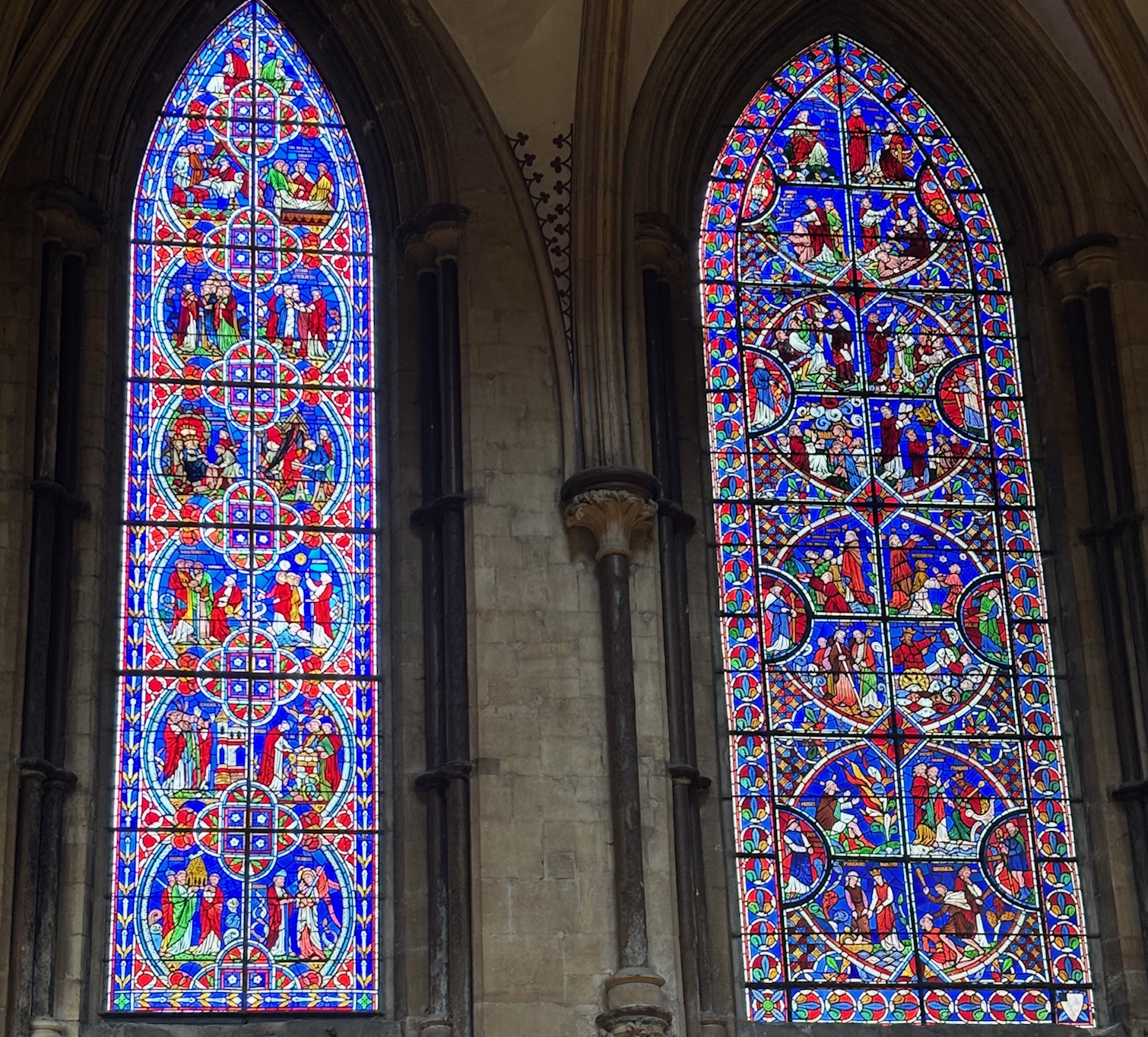
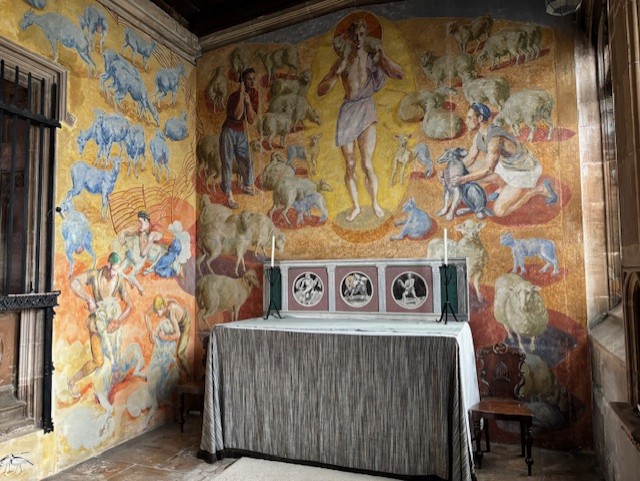
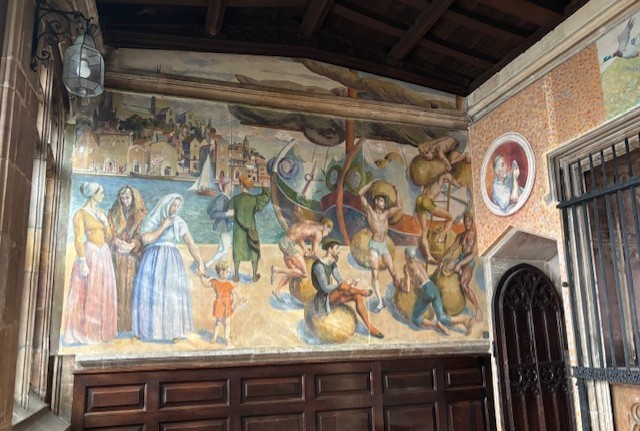
PHOTO GALLERY
CLICK TO ENLARGE
Comments & Discussion
No comments to display